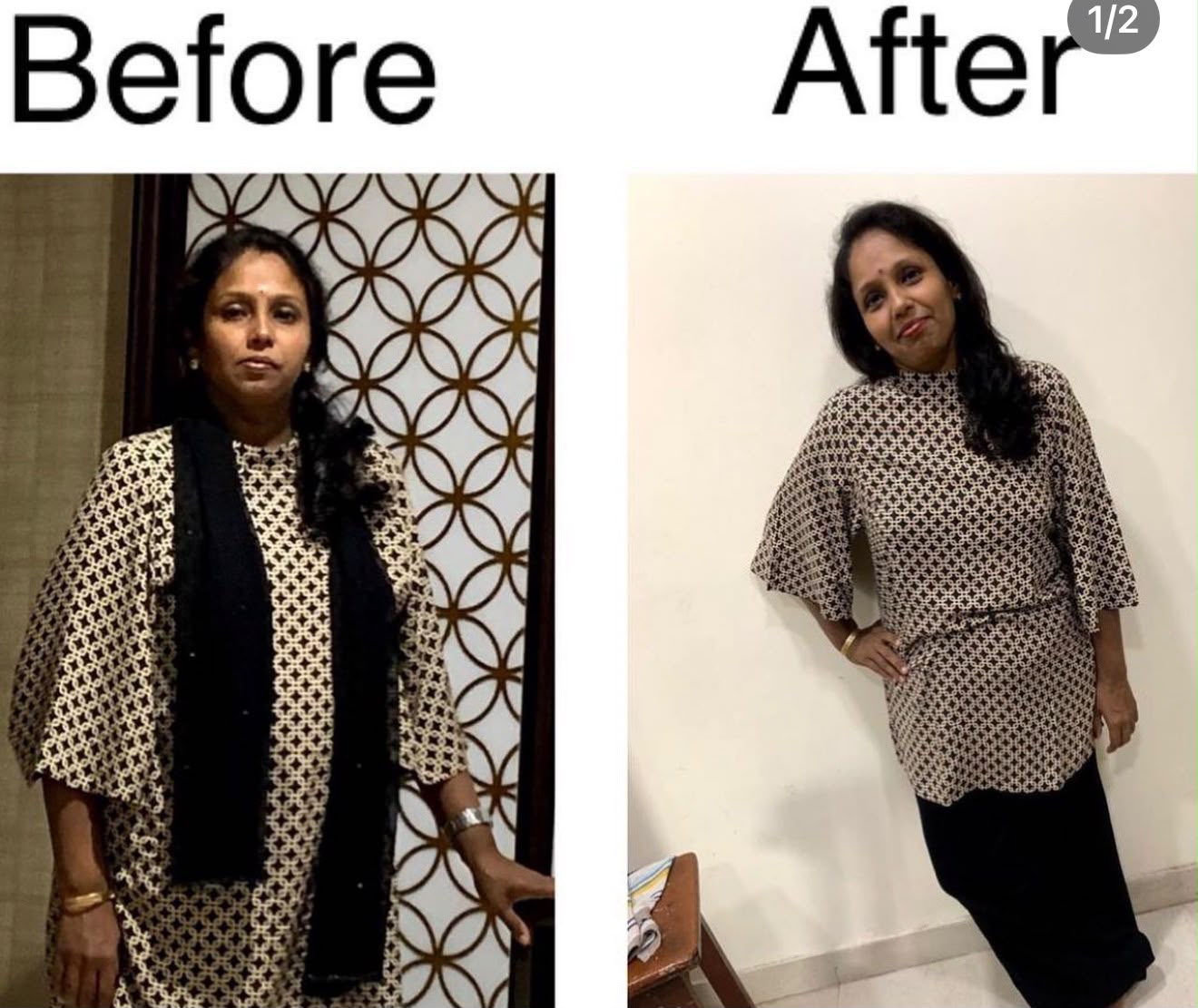
Parvathy
“The journey was enriching—not just for achieving the goal, but for understanding the importance of sleep, healthy food and movement.”
Menopause nutrition & lifestyle coaching for Indian women 40+
Hi, I’m Sushma. I help Indian women navigate perimenopause and menopause with practical coaching around nutrition, sustainable weight management, strength, sleep, stress and everyday habits.
You may be eating much the same way you always have, yet your weight or waistline feels different. Sleep may be less predictable. Energy and cravings may fluctuate. You may be wondering why the routines that once worked no longer feel as effective.
My approach is not about another restrictive diet. It is about understanding what needs more attention in this stage of life and building a way of eating, moving and living that you can actually sustain.
Book a Clarity Call with Sushma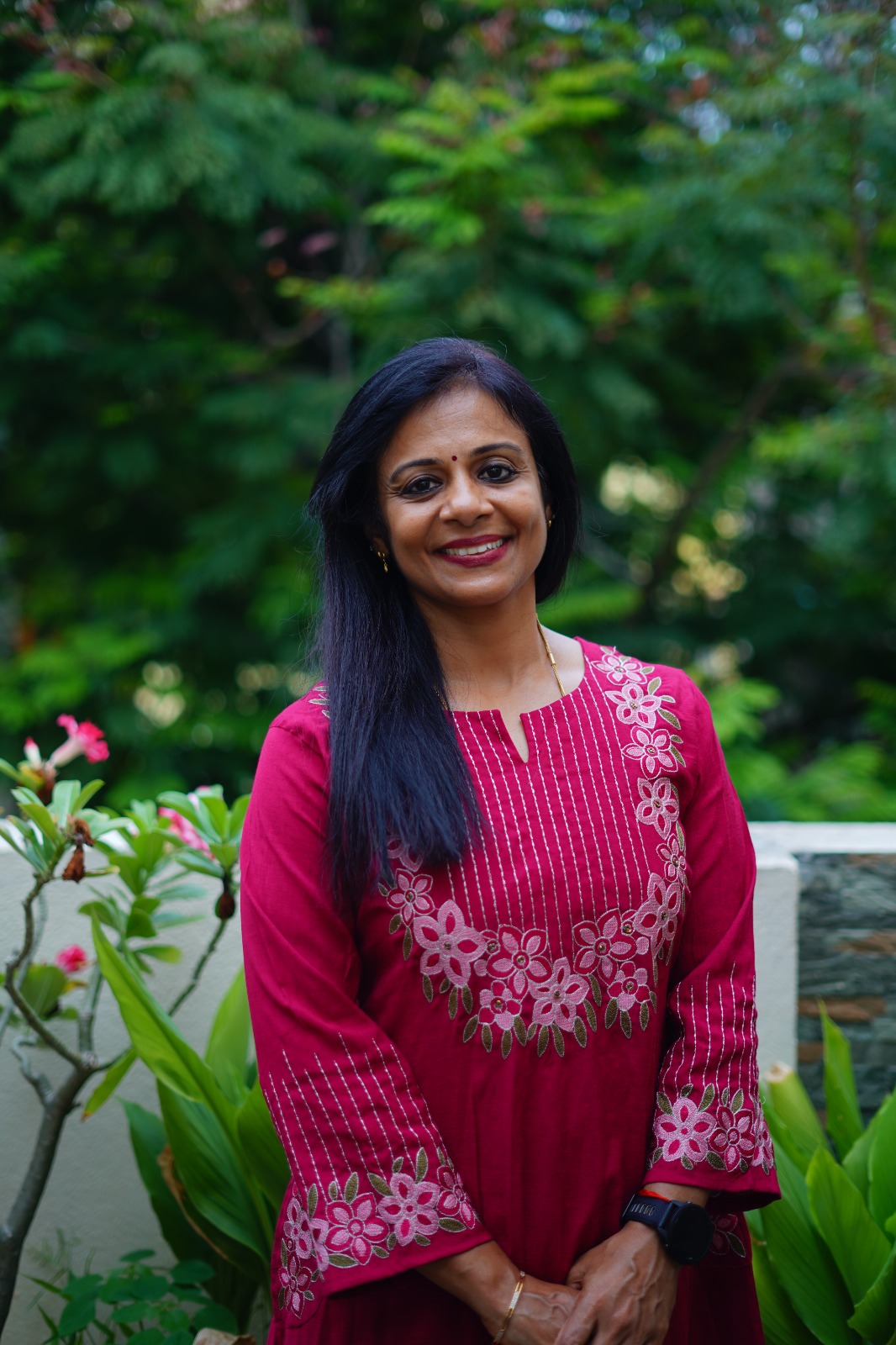
Why this stage can feel different
That is something many women ask as they move through their 40s and 50s.
Perimenopause and menopause happen alongside changes in hormones, ageing, muscle mass, sleep, recovery, stress and often a very demanding stage of life. That does not mean every symptom or every kilogram is caused by menopause. But it does mean that simply eating less and pushing harder is not always the most useful response.
This is where I want women to move away from punishment and towards a more thoughtful strategy.
“How can I eat less?”
“Should I cut carbs?”
“Do I need more cardio?”
“Why don't I have enough willpower?”
Am I eating enough protein and fibre? Am I preserving muscle? How is my sleep? What drives my cravings? What can I repeat consistently in my real life?
What we work on
Rather than starting with a longer list of foods to avoid, we look at the structure of your meals: protein, vegetables, fibre, carbohydrates, fats, portions, hunger and satisfaction.
Strength training becomes increasingly valuable in midlife. The goal is not simply to burn calories, but to build and preserve strength, function and confidence.
Broken or insufficient sleep can make healthy choices feel much harder. We work on realistic routines and recovery rather than treating sleep as an afterthought.
Evening eating, emotional eating and cravings are not automatically a lack of discipline. We look at what is happening earlier in the day and what patterns keep repeating.
A plan that works only on perfect weeks is not a sustainable plan. Work, family, travel, eating out and celebrations have to fit into the picture.
You need to know what to do on an ordinary Tuesday — not only understand the theory. Coaching turns the big picture into small actions you can practise.
An Indian approach
Rice, roti, idli, dosa, dal, curd, paneer, eggs, fish, vegetables and the foods you grew up with can all have a place.
We may change how a meal is put together: where the protein comes from, how much vegetable and fibre is present, the portion that works for you, how hungry you are when you begin eating, and what happens across the rest of your day.
The objective is not to make Indian food the problem. It is to help you understand how to make your normal food work better for your goals.
“I don't want women to spend the next decade jumping from one diet to another. I want them to understand what their body needs and have a way of living they can come back to.”
— Sushma
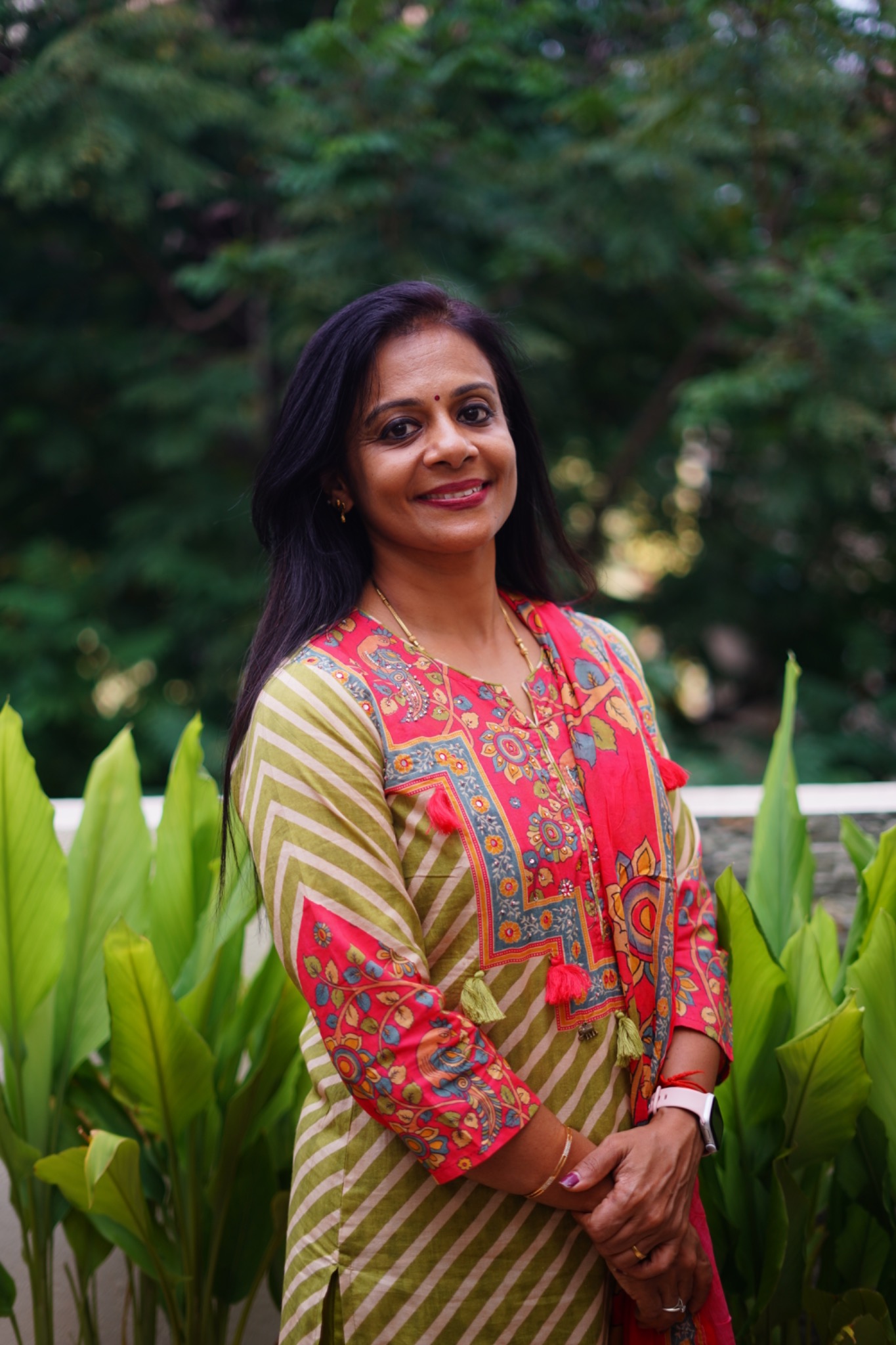
Who will be coaching you?
I’m the founder of Eat Well Live Well and the coach behind NourisHer, my coaching programme for women 40+.
My work sits at the intersection of nutrition, movement, strength, sleep, stress and behaviour change. I especially enjoy helping women move away from the all-or-nothing cycle — being “very good” for a few weeks, falling off, feeling guilty and starting again.
My role is to help you turn good health advice into something that works in your life.
Coaching complements appropriate medical care. It does not diagnose or treat medical conditions or replace advice from your healthcare professional.
Different women. Different starting points.
These are individual journeys, not promises of what someone else will experience.
“The journey was enriching—not just for achieving the goal, but for understanding the importance of sleep, healthy food and movement.”
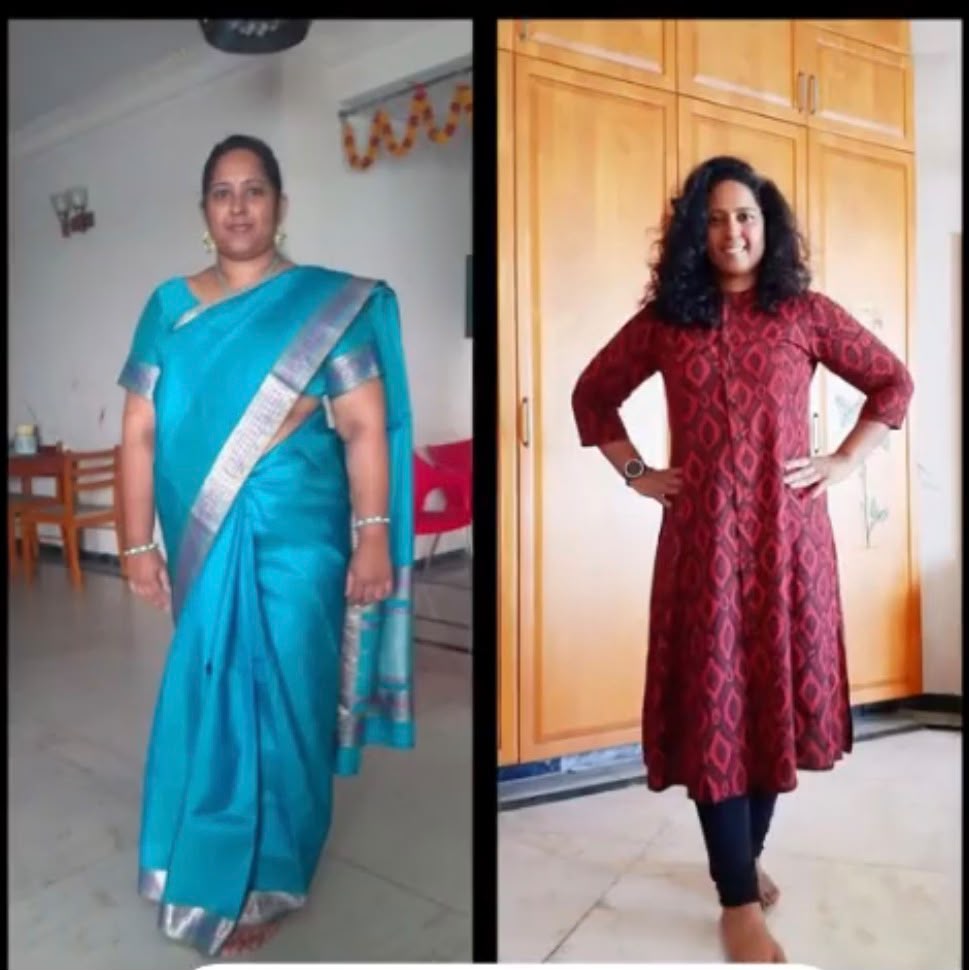
“I feel less exhausted and more energetic to handle my hectic day.”
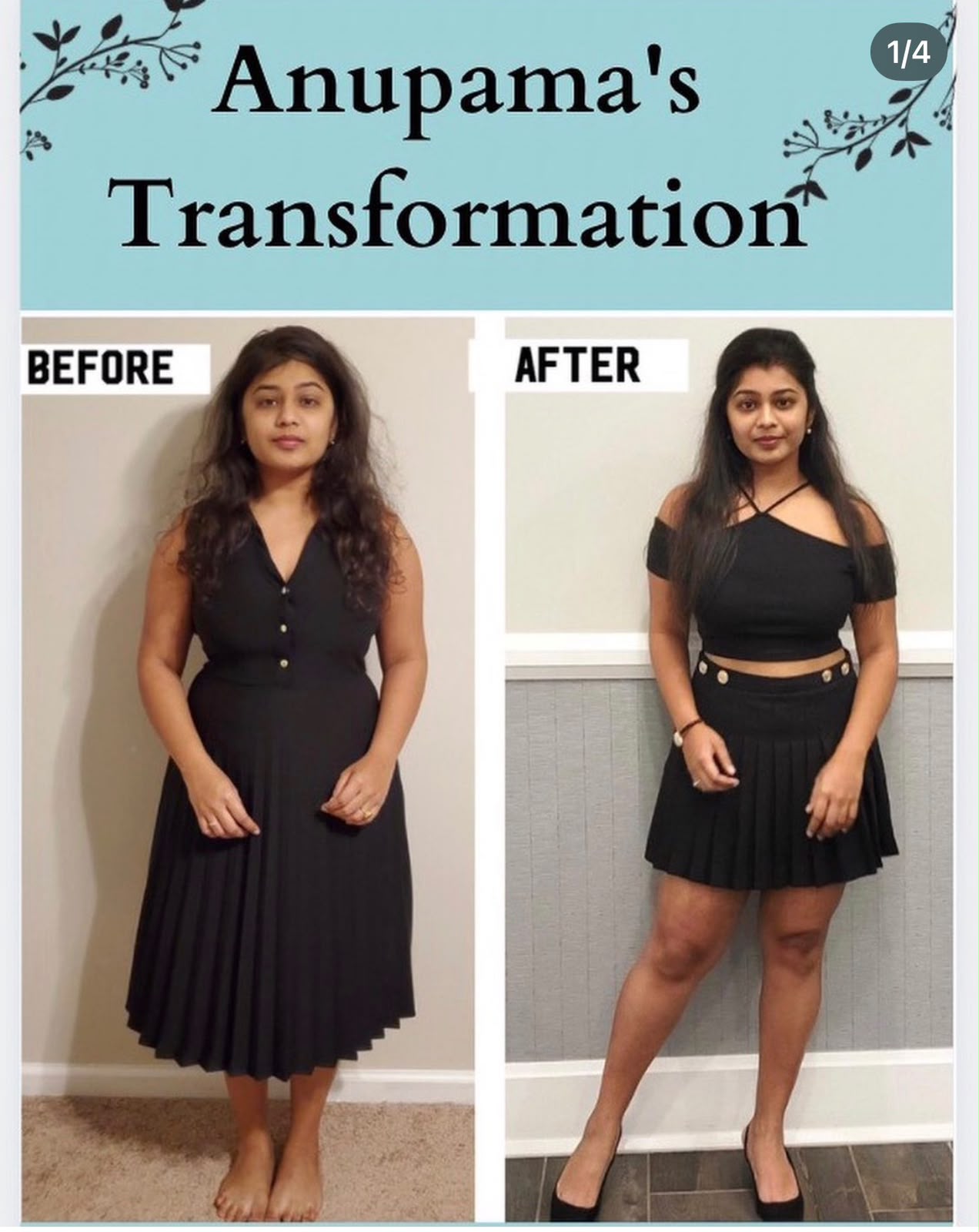
“I started with the aim to lose a few kilos, but it has now turned into a lifestyle routine.”
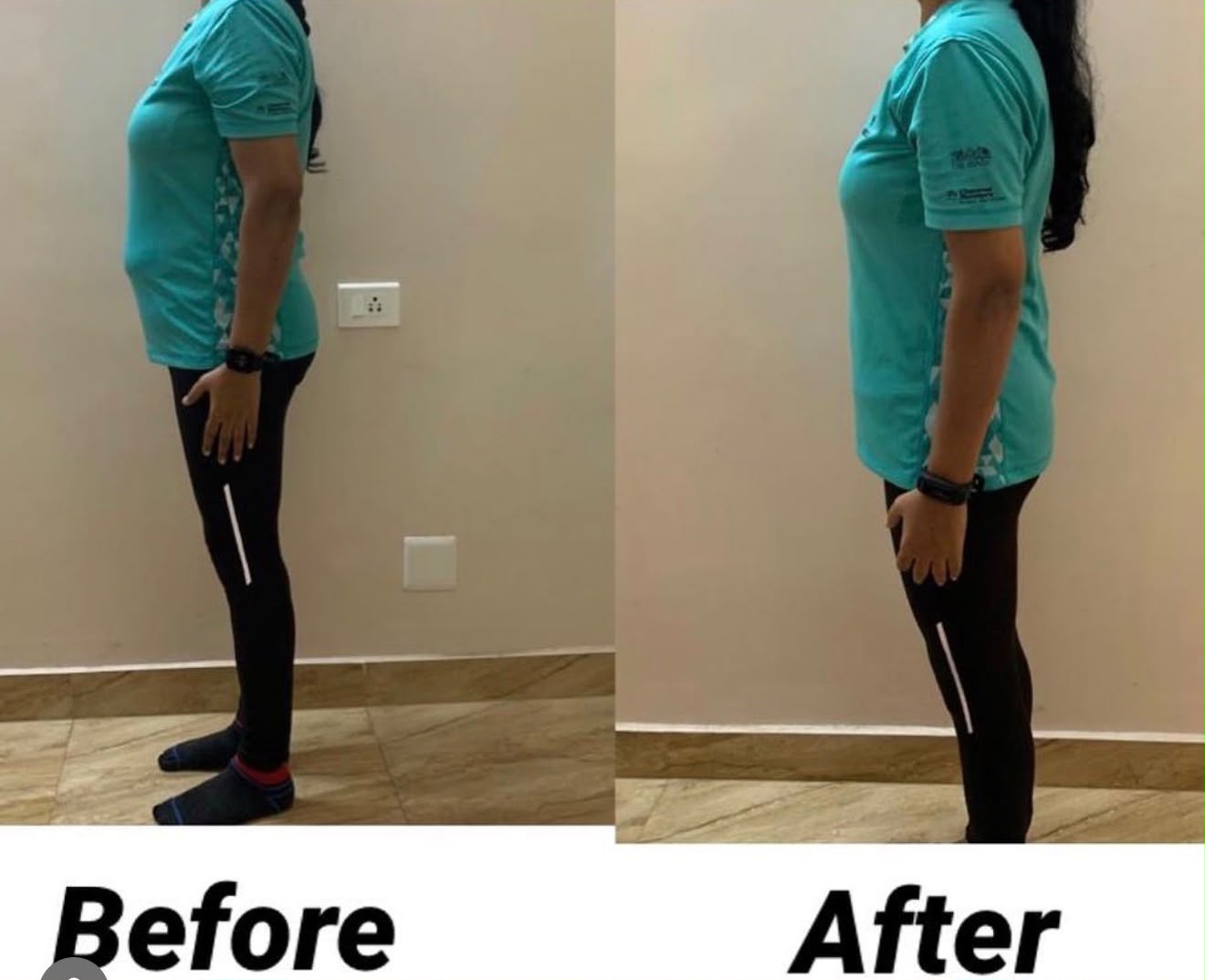
“I ate everything and yet lost weight.”
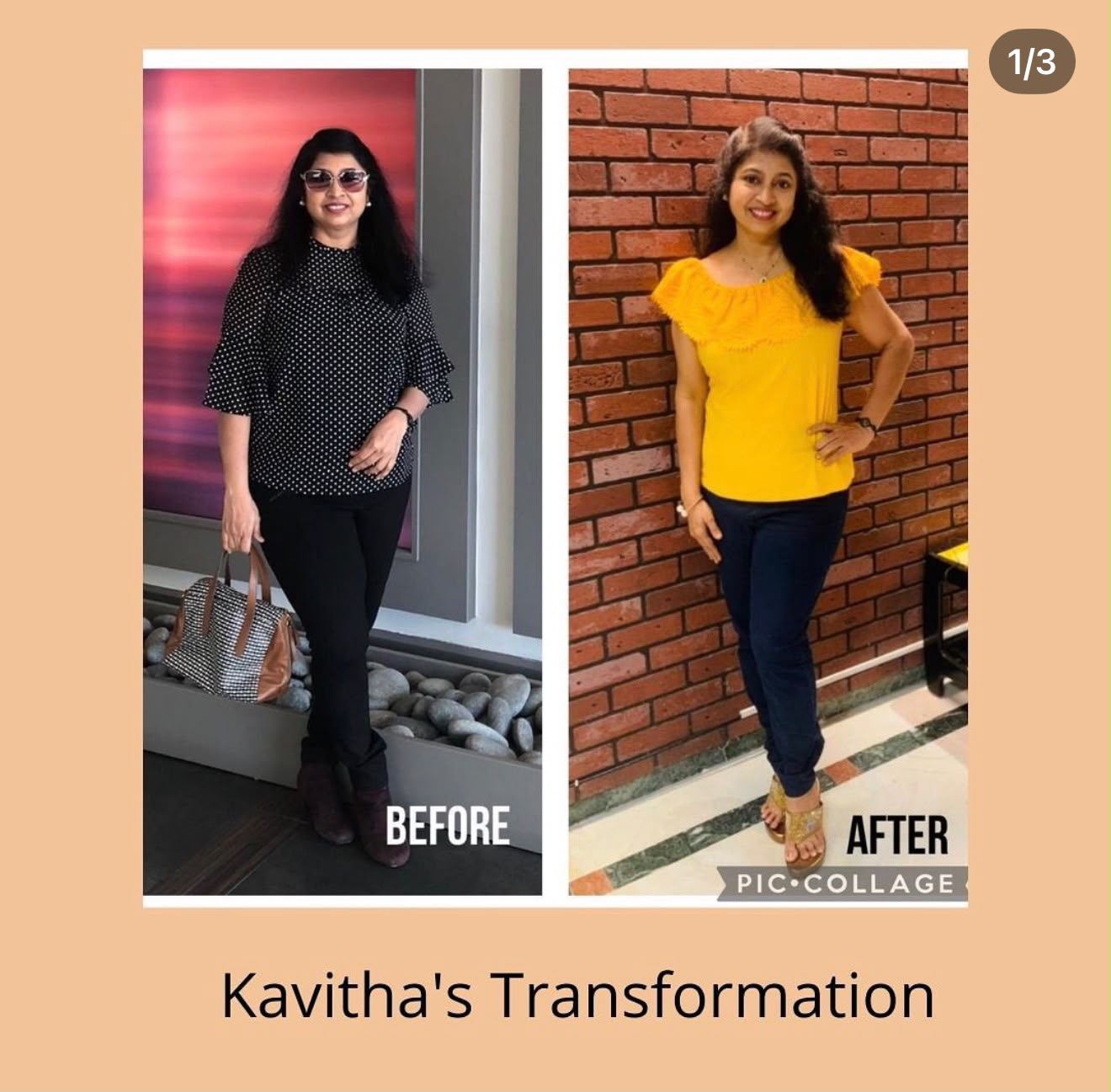
“Sushma was the pillar of support during my toughest time.”
Individual experiences vary and are not guarantees of future outcomes.
A few important questions
No. Lifestyle coaching and medical care have different roles. Sushma coaches around nutrition, movement, sleep, stress, habits and behaviour change. She does not diagnose conditions, prescribe medication or replace a doctor. Symptoms that need medical assessment should be taken to an appropriate healthcare professional.
Weight management can absolutely be one of your goals. The coaching approach looks beyond simply eating less and includes meal quality and structure, activity, strength, sleep, stress, hunger, cravings and consistency. Individual outcomes vary.
No. Coaching is not built around banning normal Indian foods. We look at the overall meal and eating pattern and make adjustments appropriate to your goals and preferences.
That is very common. Knowing and consistently doing are different problems. Coaching helps identify what is getting in the way, choose a manageable focus and build behaviours you can repeat.
Coaching can support healthy lifestyle behaviours, but new, severe or concerning symptoms should be discussed with your doctor. Coaching is designed to work alongside appropriate healthcare, not instead of it.
NourisHer is Sushma’s signature coaching programme for women 40+, bringing nutrition, strength, sleep, stress, habits and accountability together in a structured coaching journey.
Where do you go from here?
If this page sounds like the stage of life you are in, you can learn more about NourisHer and how I coach women 40+, or we can speak about what is happening for you.
A Clarity Call is a conversation about where you are now, what you have tried, what you would like to change and whether my approach is appropriate for you.
Come with your questions. We’ll start with your situation rather than a generic plan.
Book a Clarity Call